
Read This With Your Kids!: The Invisible String


The Invisible String by Patrice Karst is an important reminder of how we are connected to those we love and care about.

The Invisible String is about two children who get scared from a storm during the night and seek out connection with their mom. Their mom then shares an important lesson she learned as a child about an invisible string that connects us to those that we care about, no matter how far away they are, or if they have passed on. We can feel and send tugs on the invisible string when we need a douse of connection.
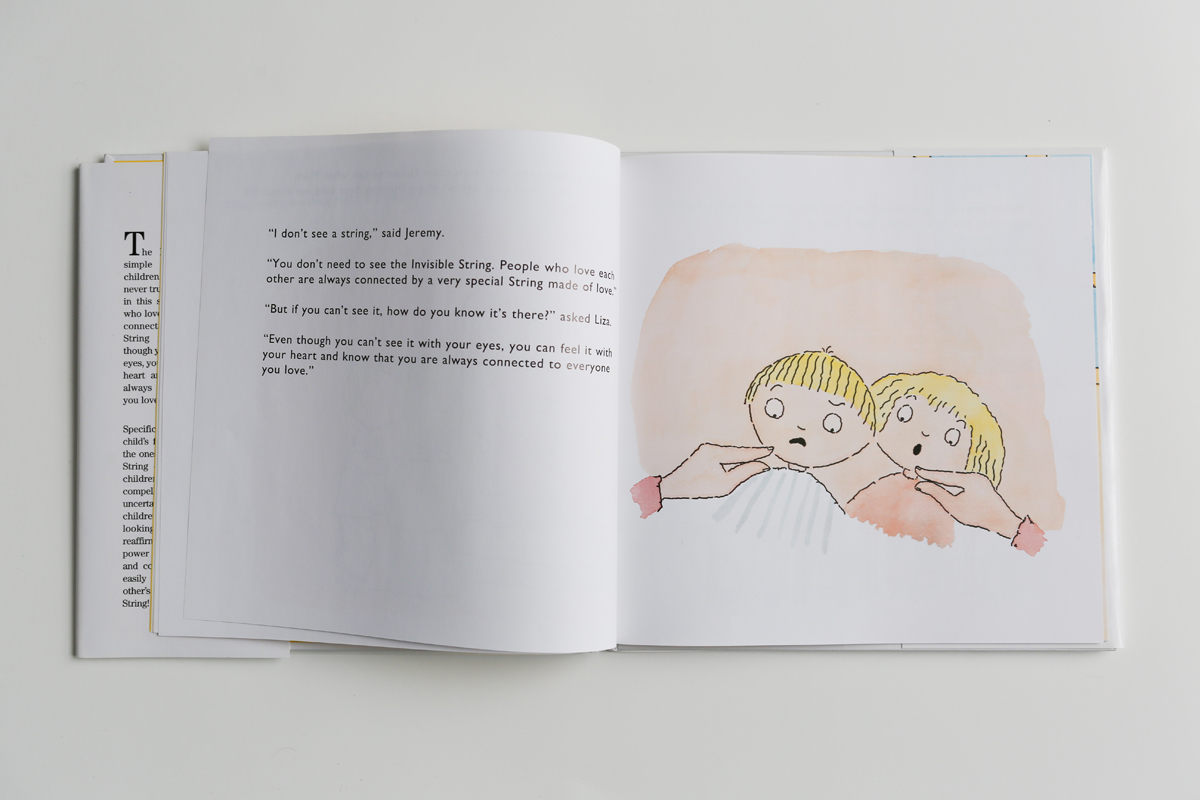


While reading a book to our child is awesome as is, stopping to ask some questions can help with comprehension and the ability to personalize the story. So here are some talking points:
  • You can ask your child if they have ever felt tugs on the invisible string?
  • When grief is brought up, you can discuss family members and friends that you still feel connected to even after a loss.
  • At the conclusion of the book, ask who are some people you are connected to by an invisible string?
  • You could ask how it feels to know that you are connected to so many people that they care about and that care about them.
Check out your local library or bookstore for a copy of The Invisible String, if not you can check out Amazon.

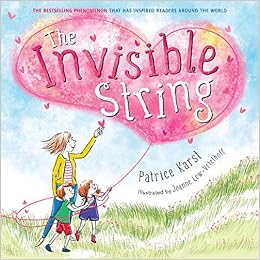
Patrice Karst just released a revamped version of the book in 2018 and the cover looks like this:
Comments

Popular posts from this blog

Children and Loss: How to support children when bad things happen

Loss is a painful but inevitable part of life. Children regularly experience small losses like misplacing a favorite toy, changing plans away from something they were looking forward to or not being allowed the candy bar they had their heart set on. Sadly, childhood often also includes more intense loss like a beloved friend moving away, a pet dying, disasters such as flooding or house-fires, the reorganization of a family unit through divorce, or the death of someone close to us. We can feel a variety of emotions when new lose something we care about. Sadness, or emotional pain, is always at the core of this. Sadness is a powerful and uncomfortable emotion. We love our children and don’t want them to hurt. However, it is important to remember that sadness is a healthy response to loss. When we lose something rewarding to us we feel sad. We feel sad as a way to promote continued engagement with the things we find rewarding. If we did not feel sad we might be less motivated to s...

Covid might just be the perfect storm for Depression

Depression, as I am using it, refers to a mental health concern characterized by low mood and disturbances in sleep, concentration, energy, self-esteem and hope. Diagnosing a Major Depressive Episode however is a little more complex than just endorsing items on a list and if you feel those items relate to you please reach out to a professional for help! Before this zombie-apocalypse-light, the rates of mood disorders, including Depression, in Canada were about 1 in every 10 Canadians and evidence from the United States suggests that those numbers have dramatically increased with Covid (over 500% increases based on some stats). Depression isn’t something that happens to “them” but rather it is something that happens to “us” and very likely “you” and “I.” Depression comes from an overlapping of a lot of factors including your genetics, environment and behaviours. Covid has dramatically shifted our environments and behaviours in ways that will increase the risk of Depression. Essentially,...

Helping kids stay mentally healthy through COVID-19

Everybody freak out! Or don’t. As some of you may have heard, there is currently a type of coronavirus (COVID-19) that is spreading rapidly and negatively impacting individuals and systems around the world. As this novel narrative plays out it is hard to guess what the future of this virus will look like or the impact it will have on our families and communities. However, it is safe to say that it will, if it has not already, impact our day-to-day functioning dramatically. Anxiety is a natural reaction to these changes and the information flooding in and especially when some, if not most, of that information is sensationalized. Children rely on us to help them navigate their physical and emotional worlds. Children will likely experience fear, frustration, and a variety of other intense emotions as the impact of the pandemic continues to be felt. The following strategies are things I think will help children maintain resilience in the face of this unique stressor. Maintain Routines ...